Winemaking
How wine is made from grapes harvest to bottling

How wine is made from grapes harvest to bottling
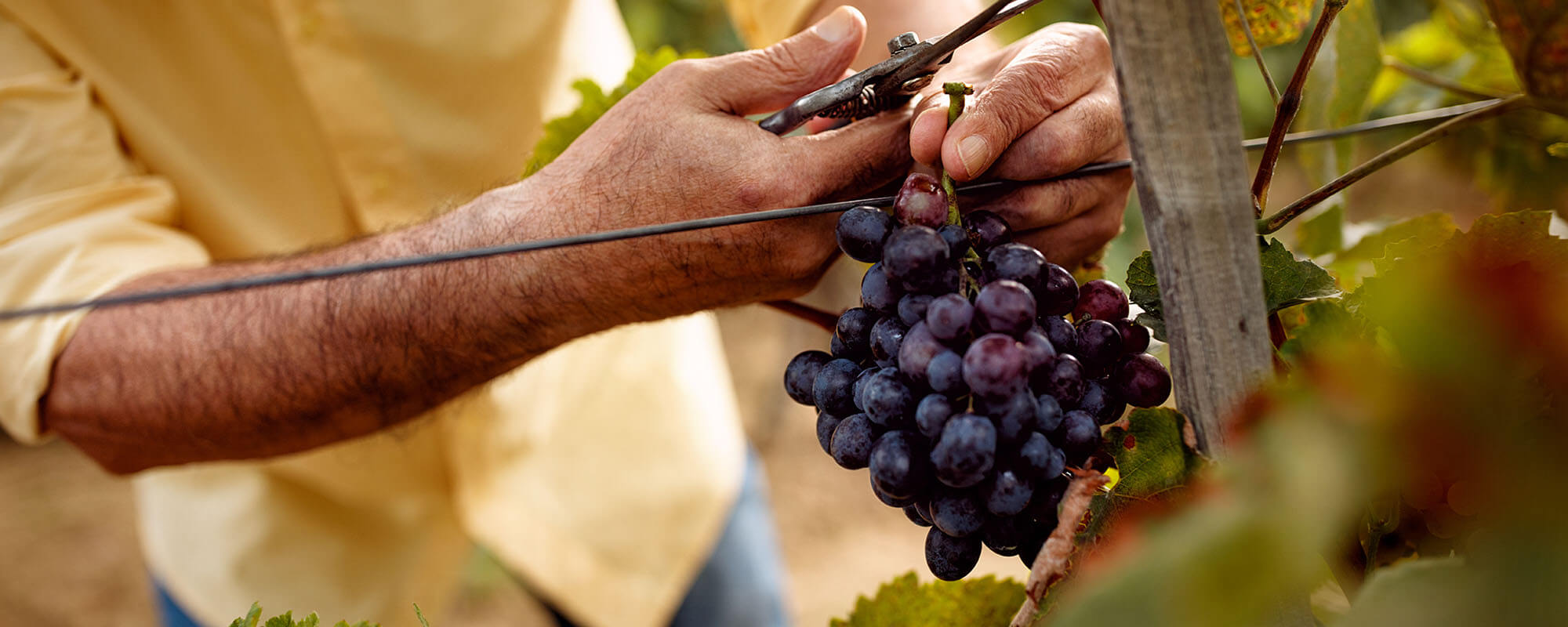
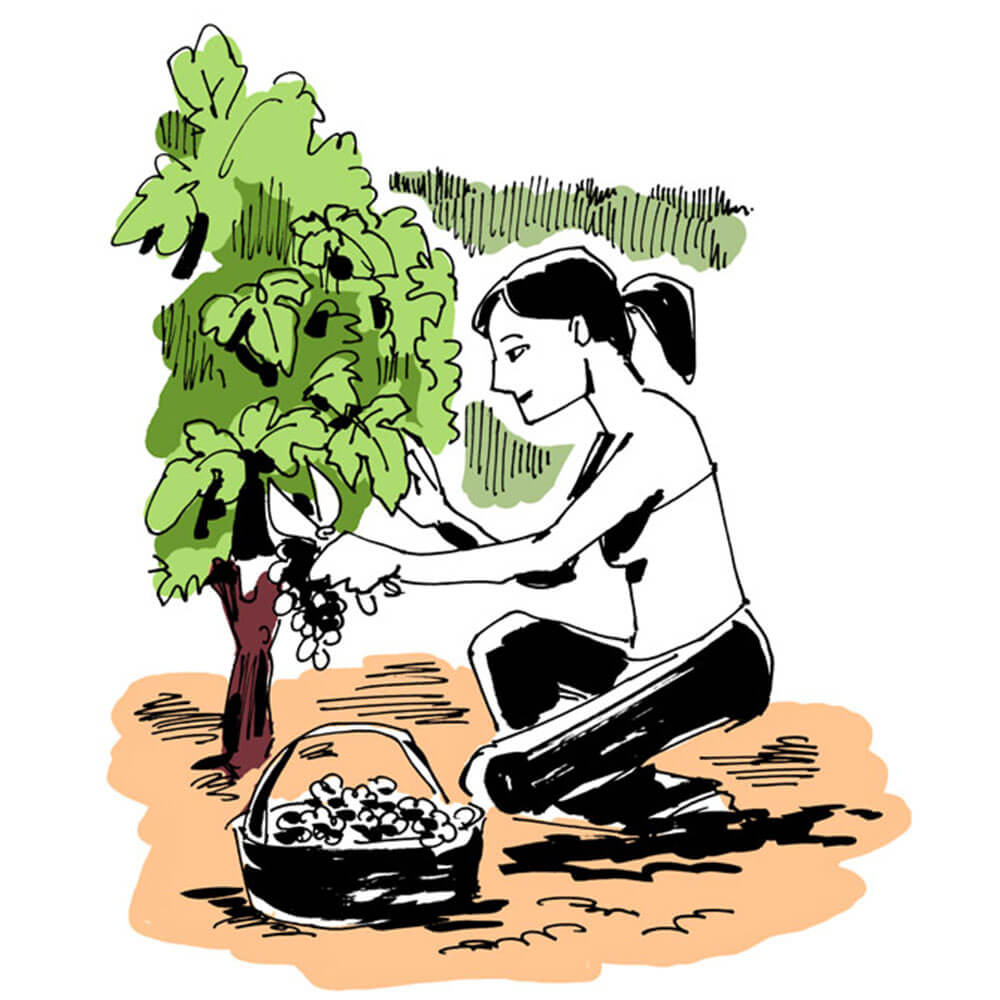
Timing is key for harvest jobs! Grapes are collected in bins or lugs and then transported to the crushing pad.
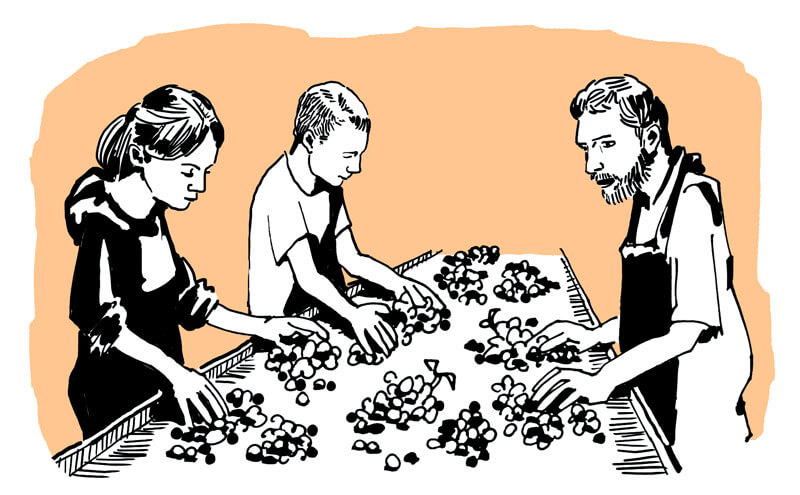
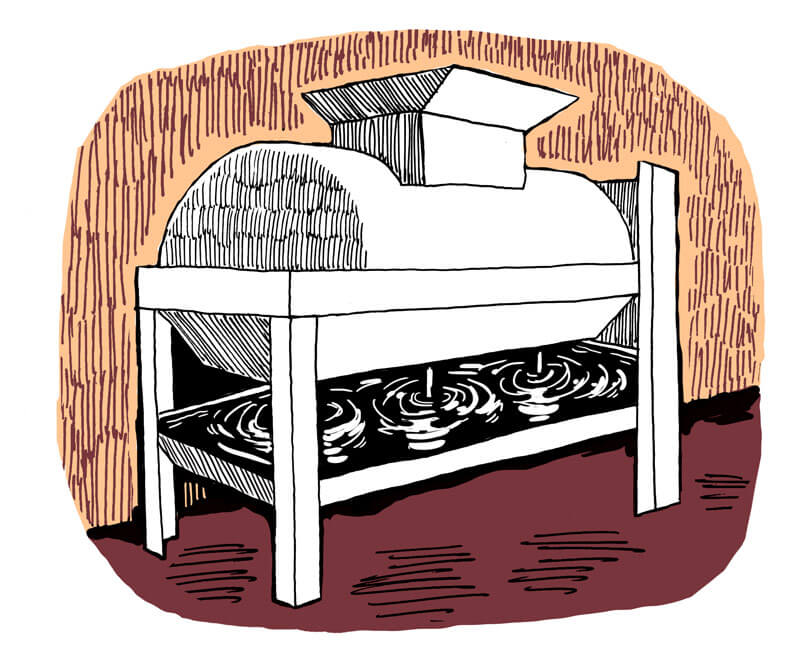
Some grapes are fermented with their stems to add tannin, some other thicker-skinned grapes are destemmed (using a destemmer) to reduce bitter phenolics. Many white wines go directly into a wine press which squeezes the grapes consistently.
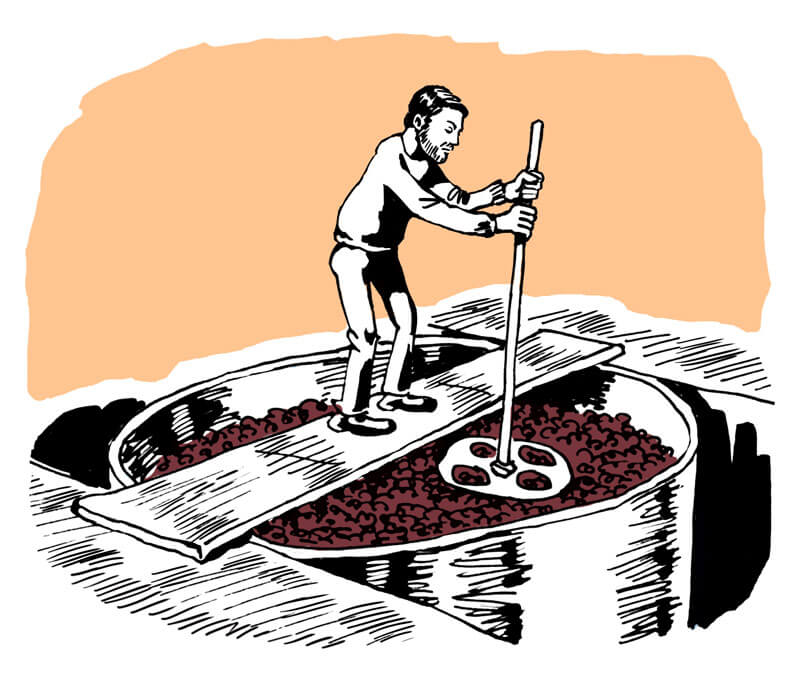
The difference between white and red wine is that red grapes, along with their skins, go straight into a vat to start fermentation on their skins. The Pomace – or fruit solid leftovers – is removed for many uses outside the winery.
Juice and grape is then transferred to fermentation vessels – in wood, stainless steel or concrete.
Our winemakers let nature take its course and allow wild yeasts ferment the wine naturally. Yeast will impact the wine’s level of alcohol and sugar. Red wines ferment a bit hotter than whites at the end of the process, usually between 80º – 90º F (27º – 32º C). We try to avoid oxygen contact as much as possible during fermentation. White and Rosé wines, on the other hand, need to preserve the delicate floral and fruit aromas, so they’re often fermented a lot cooler, around 50º F (10º C) and up.
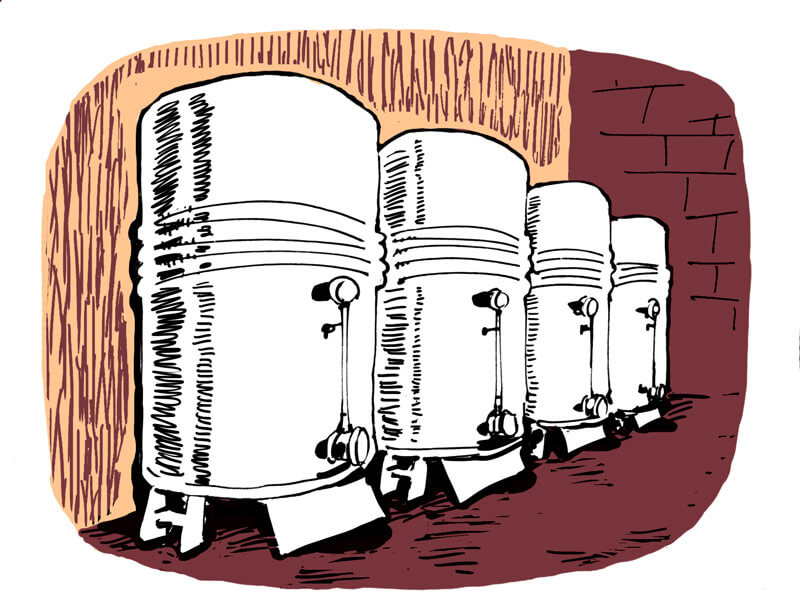
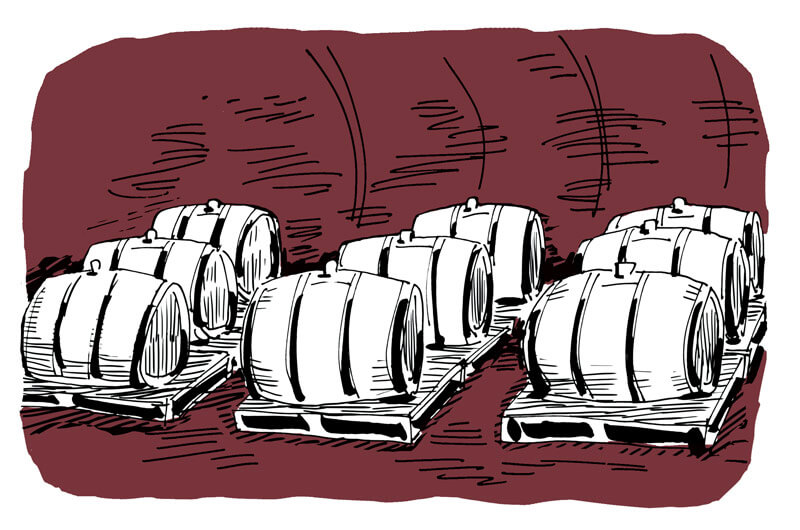
When the fermentation is done, it’s time to rack the wine out of the fermentation vessel and to move it into what we call “élevage” in France – barrels, bottles, or storage tanks – where some wines will wait for five years before being released; and others, just a few weeks.
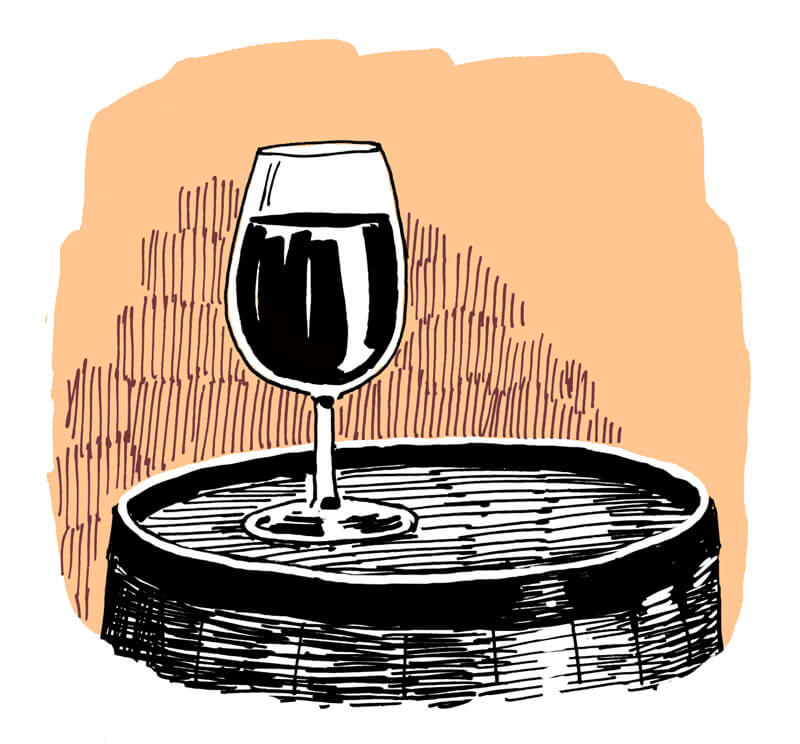
This process of “élevage” gives wines time to gain more body and elegance. When the winemaker feels a wine has reached its full expression in aging, then it’s time to bottle the wine for consumption… Cheers!
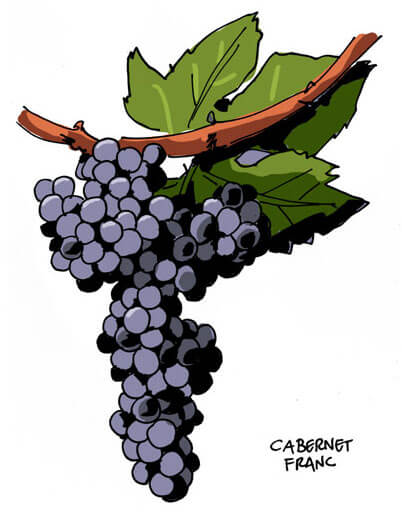
It is the Loire region’s chief red varietal that came initially from Bordeaux region and was introduced in Loire Valley in the 11th century. It was called “ Le Breton” after the Breton priest who developed the Bourgueil Abbay vineyard.
Commonly made into a single-varietal wine, Cabernet Franc finds its true expression in the Loire Valley. François Rabelais mentioned it in his work Gargantua and Pantagruel: “I mean of the good Breton wine, not that which grows in Britain, but in the good country of Verron.” Compared to Cabernet Sauvignon, Cabernet Franc shows a smoother and lighter structure, with less tannin’s, which makes it pleasant to drink it even younger. It is characterized by his floral aromas of violet, blackberry or wild strawberry, much more delicate with shades than the blackcurrant, characteristic from the Cabernet Sauvignon.
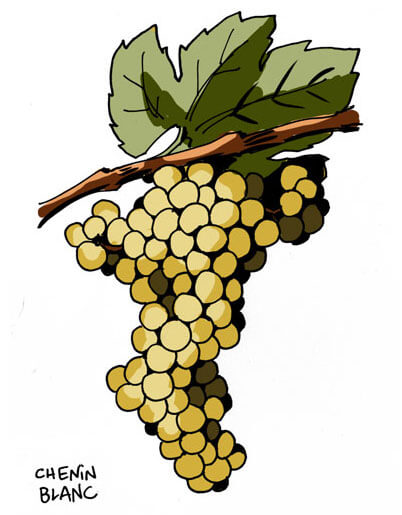
Around the 10th century, this variety was known as “Plant d’Anjou.” The current name was popularised by Rabelais in the 15th century.
Chenin is the Loire Valley’s iconic grape variety. It is the region’s third most widely grown varietal and expresses the richness of its Loire terroirs to the full. Chenin is a late ripener, adapting well to the various microclimates of Anjou and Touraine to produce a stunning range of wines, from its most dry form with white peach and lime blossom typical fragrances, traditional form with a hint of butter “Brioche” and half-dry wine with tropical fruit flavors to the most iconic late harvest wine characterized by candied fruit, vanilla and honey aromatics.
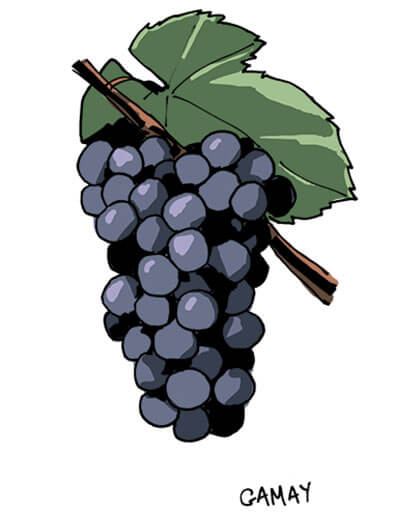
The white-juiced black Gamay grape is particularly widespread in Touraine, where it often makes a single-varietal wine. It prefers siliceous clay and granite soils to limestone, and can give surprisingly good results, especially when blended with Cabernet or Côt.
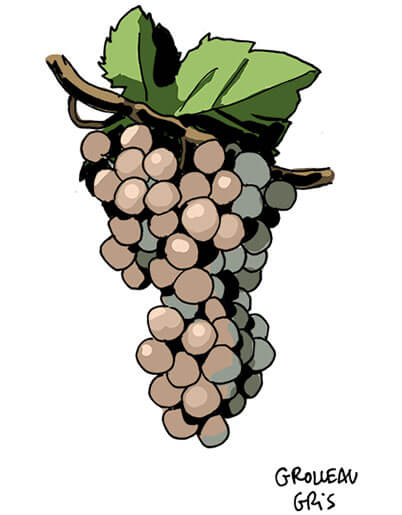
The 1st appear on 1895, mostly used for the rosés vinification or in the blend for the sparkling wines.
Grolleau appeared first in 1895. It gives fruity, semi-dry rosés. After Cabernet Franc and Gamay, it is the most widely grown red varietal in the Loire Valley and a vigorous, resistant grape, accounting for one sixth of the region’s total production. It is mainly used for vinification of rosés or as part of the sparkling wines’ blend.
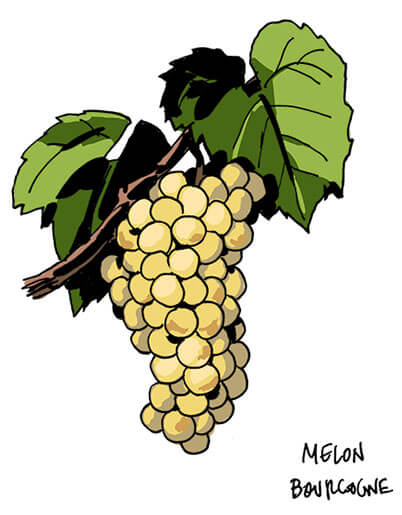
The crystalline rocks from South East of Nantes give the grapes more finesse than those grown in areas of sedimentary rock. Muscadet is the only wine in the world made from Melon de Bourgogne. It is recognizable by his nice kick in mouth and complex aromas of brioche bread and ripe fruits.
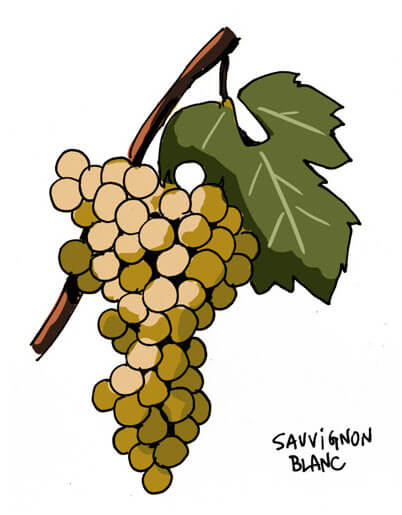
Sauvignon is a fairly delicate grape, very sensitive to the prevailing soil and climate. It is one of the more aromatic varietals with many different nuances, all strongly influenced by the terroirs in which it grows.It is recognizable by its green fruits and blackcurrant aromas.
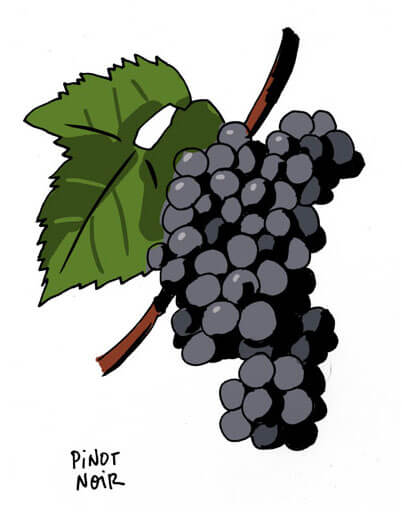
This variety can adapt to almost any climate, and is at its best growing in limestone soils. It can also be found from the east of Touraine to Sancerre. It is known for its velvety mouth and sweet hit of cherry blossom.
It means that the winegrower / winemaker engages in eco-friendly practices such as limiting (or eliminating) chemical waste and the use of pesticides, replanting crops or trees to replace those harvested for production, carbon footprint reduction, energy efficiency initiatives, recycled packaging, biodiversity programs, wildlife conservation and other green initiatives. The basic concept of sustainability is to do business while leaving as little negative impact on the earth as possible.
In France, wineries are certified under the Haute Valeur Environnementale (HVE), which promotes a holistic approach to diversity of varietals and rootstock (biodiversity), vine treatments, water preservation, and fertilizer management through regulation of the type and quantity used. In recent years, many wineries have overhauled their production to adhere to these guidelines. In addition, the Bordeaux Wine Trade is working to make 100% of its vineyards sustainable.
French wine growers adhering to sustainable viticulture call it “Lutte raisonnée” (translates to “reasoned fight”) which also includes the cleaning of the vinicultural effluents. Growers using this style of viticulture use chemicals less often and aggressively than those practicing conventional farming. In a lot of cases this looks a lot like organic farming, but they’re basically leaving the door open to use a fungicide or pesticide if really needed.
Either the wine has ‘certified organically grown grapes’—no synthetic pesticides, etc. or the wine is ‘organic wine,’ which means the wine is not only made from organic grapes, but there are also no added sulfites during production.” In the first case, 100% of the grape used must have been grown using organic practices and the wines are allowed to be labeled “wine made with organic grapes.” Other ingredients, such as yeasts, used during the winemaking process don’t have to be organic, but must comply with certain standards.
Organic wines go further, looking at both practices in the vineyard and the winery. In this case, all Ingredients that go into the wine, such as yeasts, also have to be certified organic, and any other non-agricultural ingredients must comply to their standards. In addition, while sulfur dioxide (sulfites) are naturally created in the winemaking process, no sulfites may be added to organic wine. In the US, certification for organic wines is handled by the USDA.
Every wine, organic or not, contains naturally occurring sulfites, so there is no such thing as an entirely sulfite-free wine.
To label wines as organically grown or certified organic, a winery must fulfill all the requirements stated by its home country’s governing body of agriculture, for instance the US Dept. of Agriculture (USDA) or ECOCERT (3 year process) in Europe. This method focuses largely (but not completely) on the farming practices and soil health. Grapes are grown without the use of synthetic chemicals—fertilizers, herbicides, fungicides and pesticides. Biodiversity is encouraged, so the soils are teeming with life like worms and insects, some of which are beneficial. Cover crops are planted to increase the nutrients in the soils. As a result, vines grow stronger and are more resistant to diseases.
Biodynamic farms are, in effect, their own ecosystem. Biodynamic wines follow all of the requirements of organic wines, plus some or all of the teachings of Austrian philosopher and social reformer Rudolf Steiner. These were later refined by agriculturalist Maria Thun. This is a holistic approach to farming first laid out by Steiner in the 1920’s and looks at the whole ecosystem of the farm. In addition to farming without chemical fertilizers and pesticides, biodynamic farming also involves planting, sowing, pruning, harvesting, etc according to the phases of the moon and alignment of the sun and planets, with a fairly strict calendar identifying which days are best for harvesting, pruning and watering, as well as which ones to just let nature take its course.
Use of the term “biodynamic,” like the term “organic” is regulated in labeling. Organizations like Demeter and Biodyvin oversee the certification of biodynamic farms and vineyards. Organic certification is a prerequisite for biodynamic certification.
Hand picking is a guarantee of quality grapes. Unlike machine harvesting, which brutalises the vines to remove the grapes (but also the leaves and everything else on the vines), hand harvesting allows us to select the grapes and eliminate rotten grapes. It is a gentle approach that aims to bring to the cellar the most beautiful grapes possible. Concerning the “natural” wine, things are simple: a natural wine must not contain any other input than sulfur. Behind the term “input” are all the products allowed during the winemaking process: lactic acid, tartaric acid, yeast, or acidity correctors. The requirements for a natural wine are therefore much more important than for an organic wine because the AB specifications are relatively permissive on this issue. Very often, processes such as thermovinification or filtration are used to correct a wine and give it virtues that were not present in the grapes….
Natural winemakers exclude all these practices because they consider that they denature the grapes and distort the expression of the terroir. Their weapon is time and patience, to let the indigenous yeasts work, which are naturally present on the skin of the grapes, as opposed to chemical yeasts. In the same spirit, a natural wine is very rarely filtered or fined (an operation that consists in adding egg white to make the particles in suspension in the wine clump together and thus make it clearer) or filtered. The idea is not to take away any richness from the wine.
Concerning the sulfur contained in natural wines, natural winemakers commit themselves to not exceed the following doses: 30mg/liter for a red wine and 40mg/liter for a white wine or a dry rosé wine. Where there are discrepancies is that some winemakers are more demanding and aim to not exceed 10mg/liter of sulfur in their analysis.
No animal products are used in the production of the wines. Yes, there are actually some ingredients used for fining and clarification that are not — the most common is egg white, but there are others.
In addition, wines that are strictly adhering to vegetarian/vegan guidelines also take into consideration all aspects of winemaking, including the packaging. For example, the adhesive used to stick a label on a bottle would have to be compliant — not all glues are.
No irrigation has been used in the farming. Whatever nature provides, that’s what the vines gets. Proponents say that vines farmed this way are stronger and have roots that tap down deeper into the ground to reach water sources. Of course, this means that vines might be at risk in the event of a drought. The flip side is that vines that have been dry farmed in the past are also better able to handle drought conditions. Once the vines have been able to develop their roots, they become more resilient.
Sulfur dioxide has been used as a disinfectant, antioxidant, and preservative since Roman times. It is used in many different foods, not just wine. It’s also created naturally in the winemaking process, so it would be almost impossible to find a wine with absolutely no sulfur.
It can provide some useful benefits but is has also been used excessively at times by winemakers to cover all kinds of flaws. Using too much can kind of dull the taste of the wine and overuse can even cause off flavors. You might get a smell like a struck match for example. Most winemakers will seek to limit their usage, and it is actually restricted in certified organic wines, as mentioned above.
Natural, sustainable wines
Wild native yeast
Low sulfites
No additives for color, flavor or texture
Purity and minerality full expression
Family-farm handcrafted
Benefits to local communities
Preserve wildlife habitat
Dry-farmed
Minimal environmental impact